Logo

FAQ

Questions FAQ

Frequently Asked Questions

  • 01 Do I need to make an appointment?

    Ideally you should schedule an appointment,however we attend to walk-ins

  • 02 Do you accept Medical AID?

    Yes we do accept various medical aid.

  • 03 Do all medical aids have shortfalls?

    Shortfalls are there depending your medical aid plan.

  • 04 Can I bring my child for an eye exam?

    Yes you can bring your child for an eye exam.

  • 05 What are your opening hours?

    Our opening hours are listed as follows:

    • Sat: 08:00 AM - 1:00 PM
    • Mon: 08:00 AM - 5:00 PM
    • Tue: 08:00 AM - 5:00 PM
    • Wed: 08:00 AM - 5:00 PM
    • Thu: 08:00 AM - 5:00 PM
    • Fri: 08:00 AM - 5:00 PM

  • 06 How long can it take until I can collect my glasses?

    Glasses collection can be done after at least 3 working days from you time of your prescription.

  • 07 What accessories do you offer?

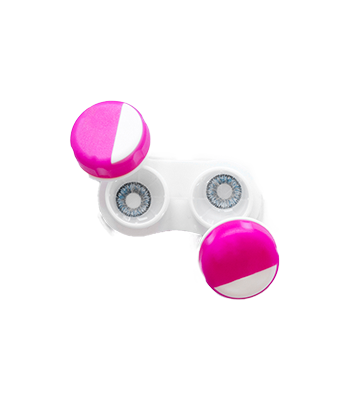
    We provide a variety of accessories e.g spectacles chains, dress contacts e.t.c

  • 08 How Are Refractive Errors Diagnosed?

    • This is done by an optometrist or ophthalmologist.
    • The specific test is called a refraction.
    • Your eye healthcare professional will also check other aspects of your eye health and vision when you go for an eye test.
    • Regular eye tests will detect refractive errors or other changes.
  • 09 Can a Refractive Error be Cured?

    • A cataract can only be diagnosed through a comprehensive eye examination by an eye doctor.
    • DO NOT RELY ON FAMILY OR FRIENDS FOR A DIAGNOSIS!

  • 10 How is a cataract diagnosed?

    *Currently there is no cure for refractive errors.

    However, there are ways to improve your vision. These include:

    • Wearing glasses – a simple and safe way to correct your vision.
    • Wearing contact lenses – these are worn directly on the eye.
    • Having laser surgery – using a laser beam to change the shape of your cornea.
    • Having intraocular lens surgery – your lens is replaced with an artificial lens called intraocular lens.

  • 11 Is there any cure for cataracts which does not involve surgery?

    • Currently, there is no other way to get rid of cataracts besides surgery.
    • No eyedrops can make your cataracts to go away.

  • 12 Can a cataract come back after surgery?

    • It is not possible for a cataract to come back because the lens, where the cataract grows, has been removed.
    • The new lens implant will last a lifetime and will not need maintenance or replacement.
    • However, there is the risk that the membrane that lies behind the replacement lens can become cloudy. This is called Posterior Capsular Opacification or PCO.
    • A painless, outpatient procedure called laser capsulotomy to remove the PCO will be performed, and this only takes a few minutes.

  • 13 How is conjunctivitis treated?

    • Treatment depends on the cause.
    • Consult your eye doctor for a comprehensive examination to properly diagnose the condition.

  • 14 How is glaucoma diagnosed?

    • Comprehensive eye exams performed by your optometrist.
    • Your optometrist will refer your to a glaucoma specialist for further tests and treatment.

  • 15 Can glaucoma be cured?

    • There is currently no cure for chronic glaucoma.
    • Treatment is often effective in managing glaucoma

  • 16 How can macular degeneration be treated?

    Treatment will depend on the type of macular degeneration you have.

    There is currently no treatment available for dry AMD, but the wet type can sometimes be helped, if it is detected early.

    If there are signs of wet macular degeneration, your optometrist will refer you to the hospital for prompt treatment, which can involve injections and sometimes light therapy.


  • 17 How serious is pinguecula?

    The vast majority of pinguecula cases are harmless and only require simple treatment, like eye drops.


  • 18 How is uveitis diagnosed?

    • Your eye doctor will perform a comprehensive eye examination to diagnose uveitis.
    • Blood tests, x-rays and eye fluid tests are often needed to diagnose the condition.
    • You may require further assessment and treatment by other medical specialists.

  • 19 How is uveitis treated?

    • Eye drops that reduce inflammation and pain.
    • oral medication or injections.
    • Uveitis, if left untreated, may lead to:

      • Glaucoma
      • Cataract
      • Neovascularisation

    If you have a "red eye" that does not clear up, make an appointment to see your eyecare specialist.